Edges of War
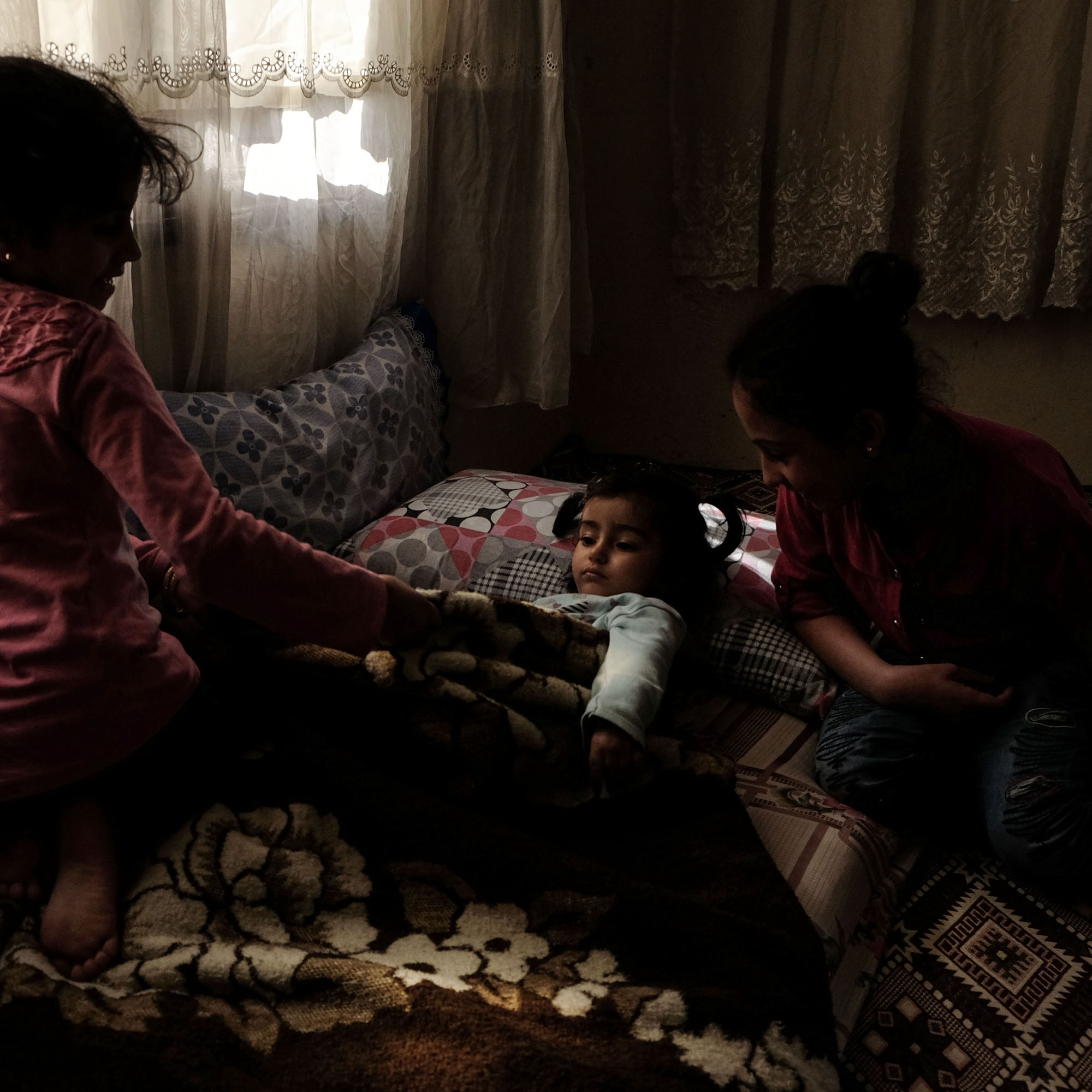
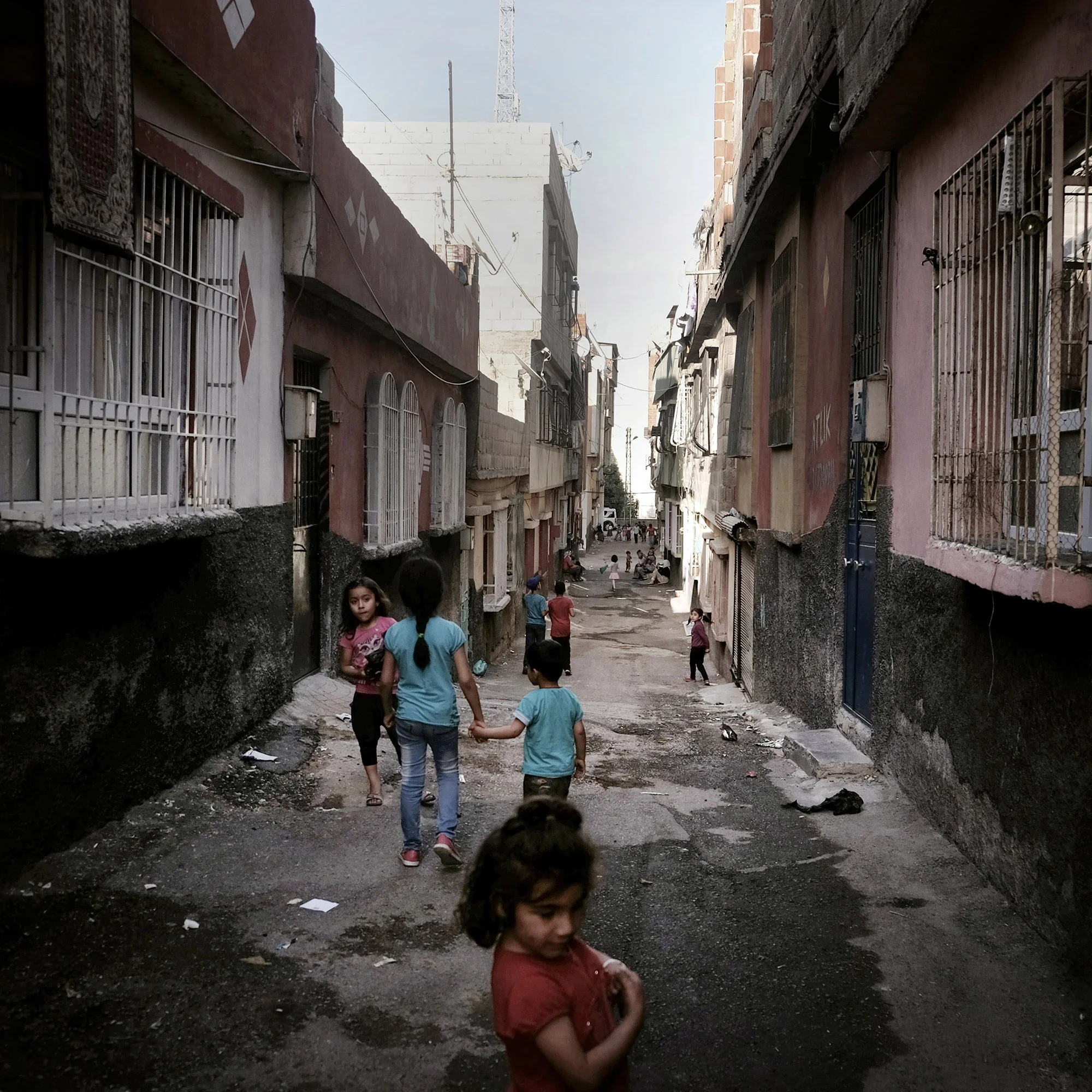
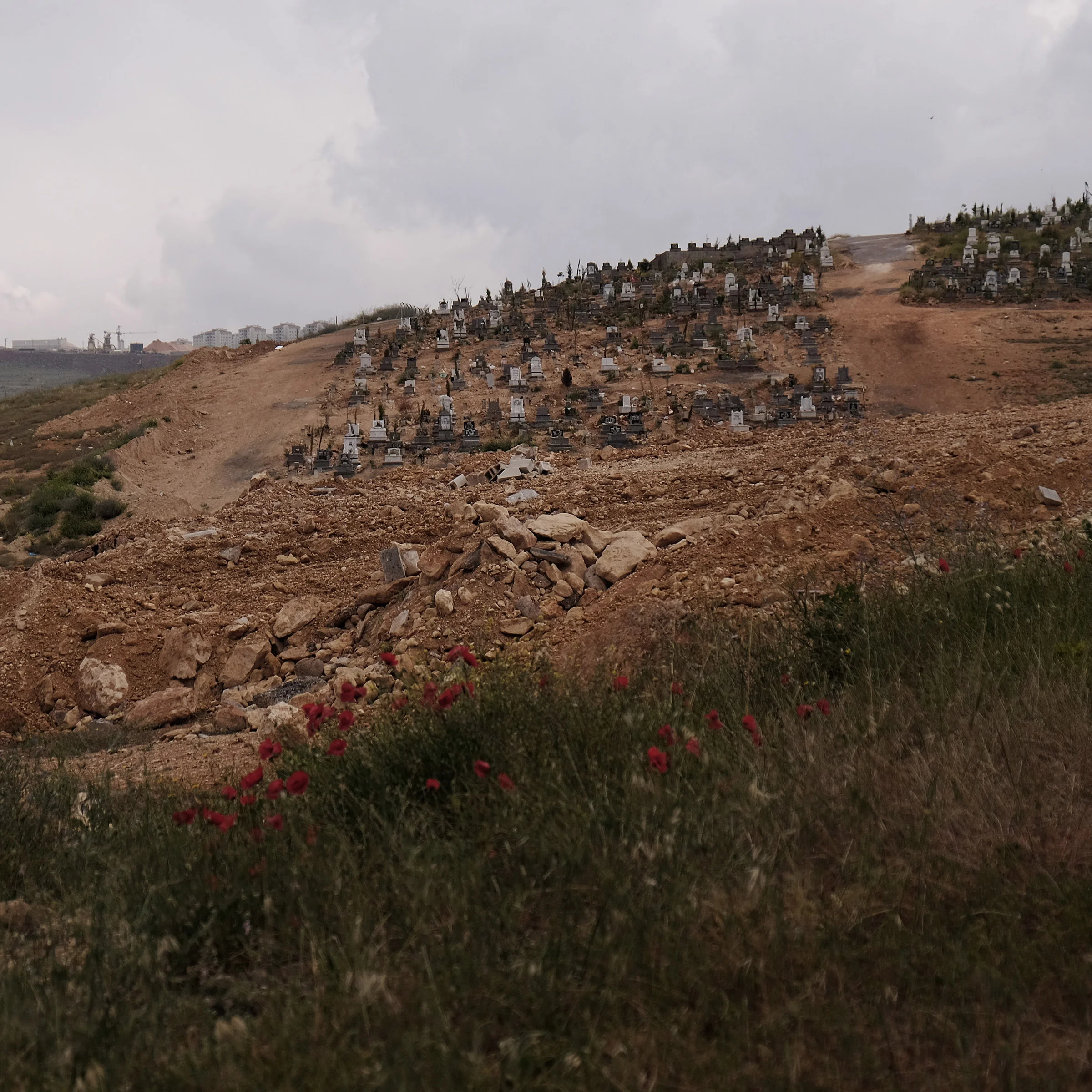
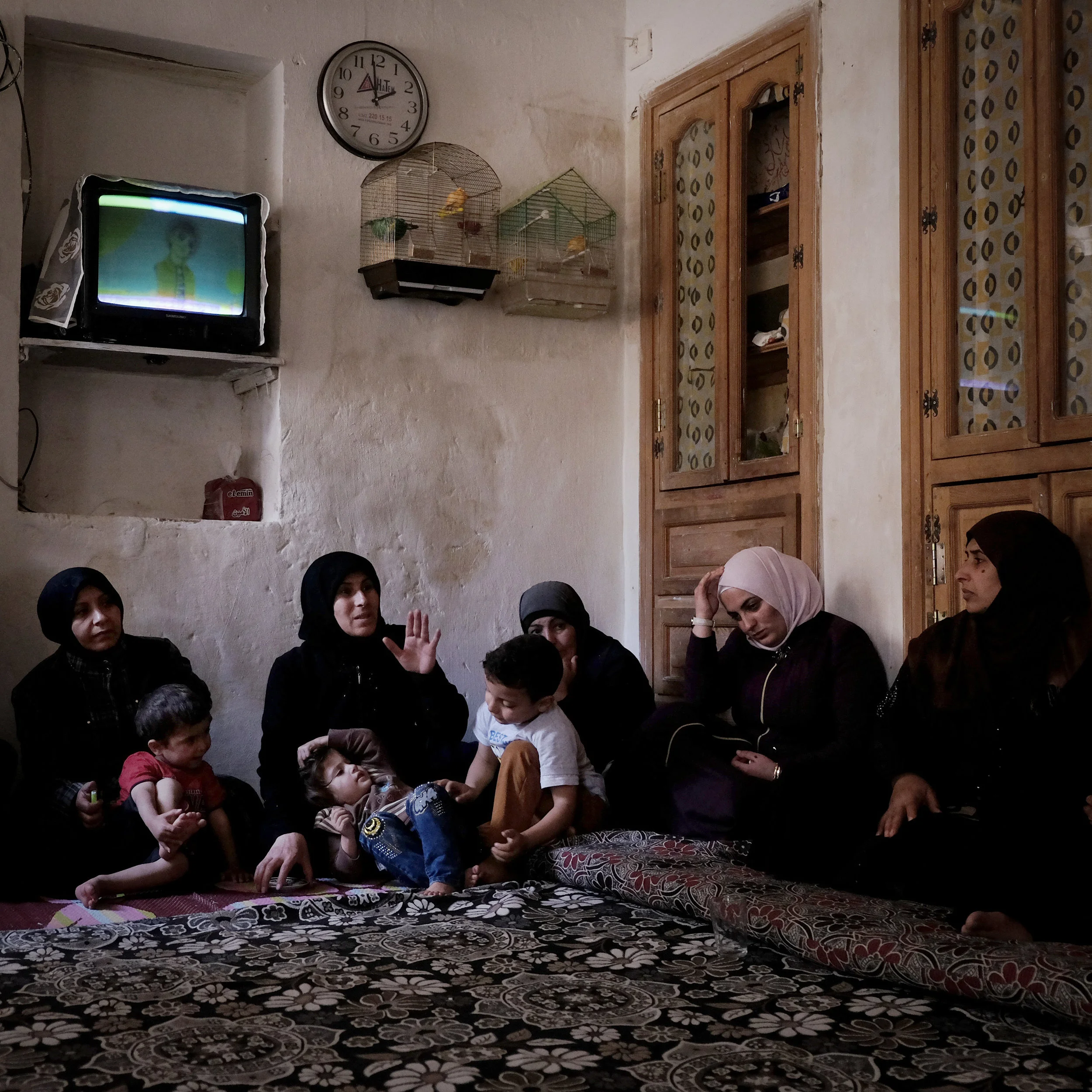
The eruption of protests against the Syrian government in 2011 was followed by a civil war that has brought violence and mass displacement. About 11m Syrians became refugees with more than 3m of them living in neighbouring Turkey. The Turkish government won international praise for its response to the Syrian crisis — especially for providing free healthcare and building well-organised refugee camps with hot water, street lighting and playgrounds. Still, 90 per cent of Syrians in Turkey live outside these zones, renting from private landlords in towns and cities across the country.
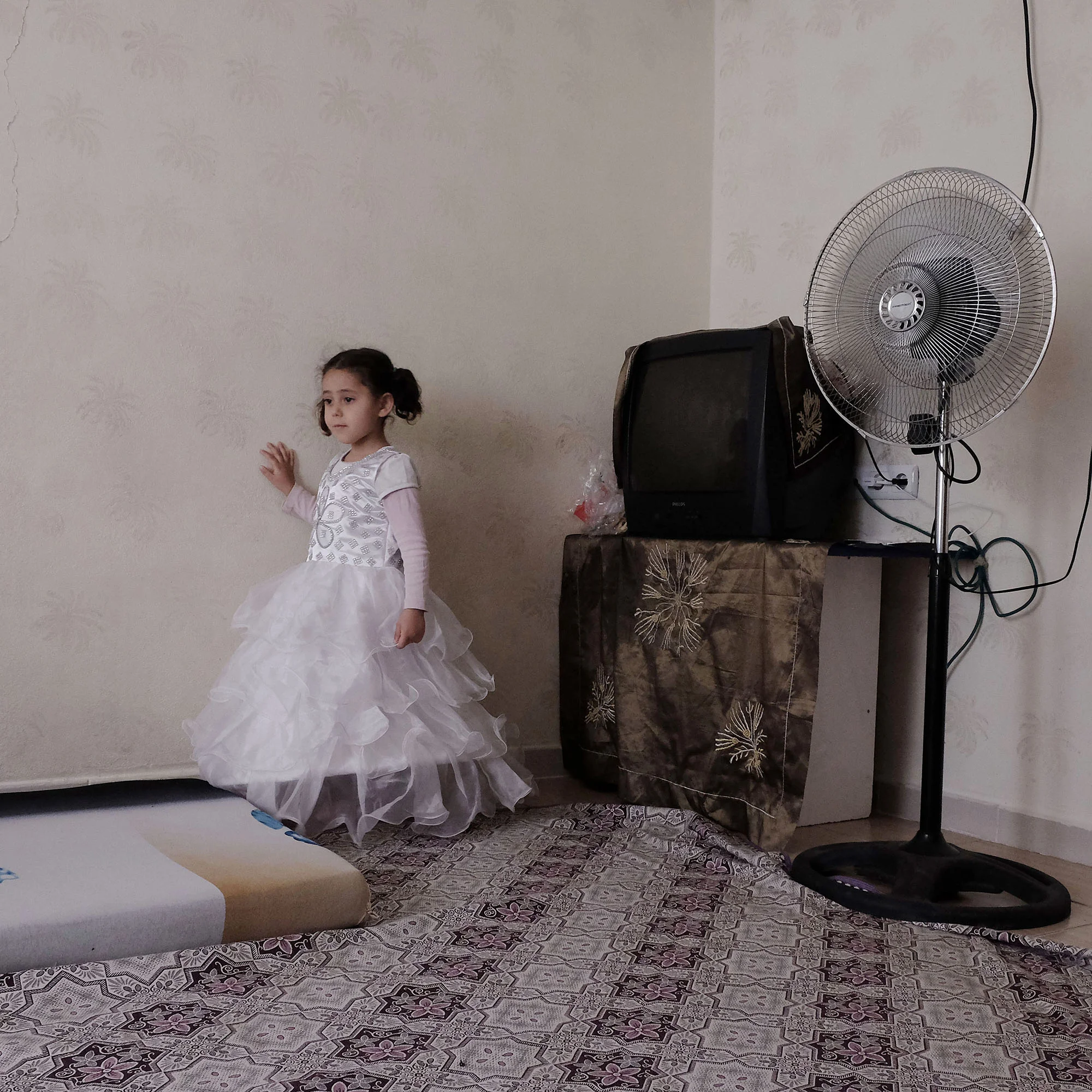
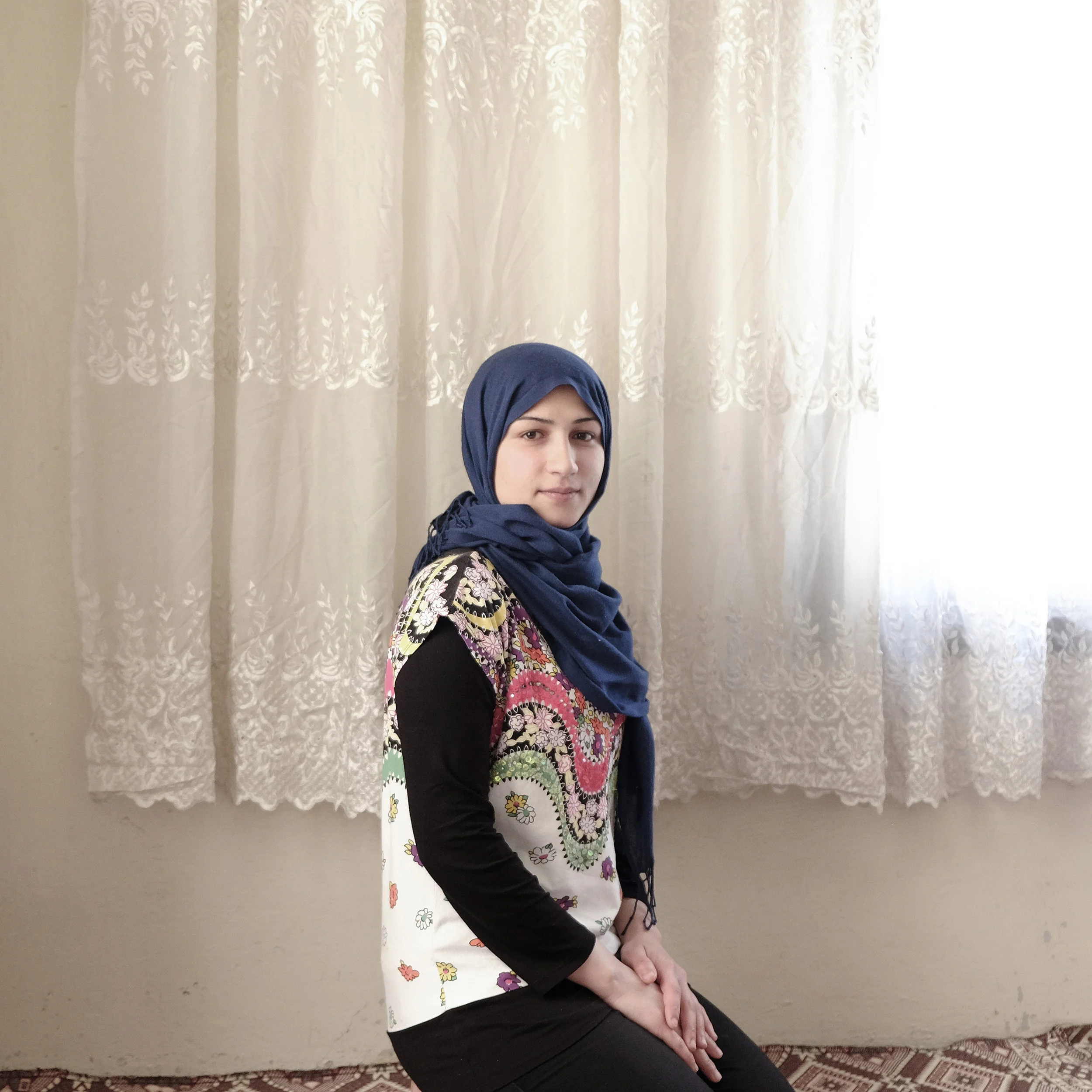
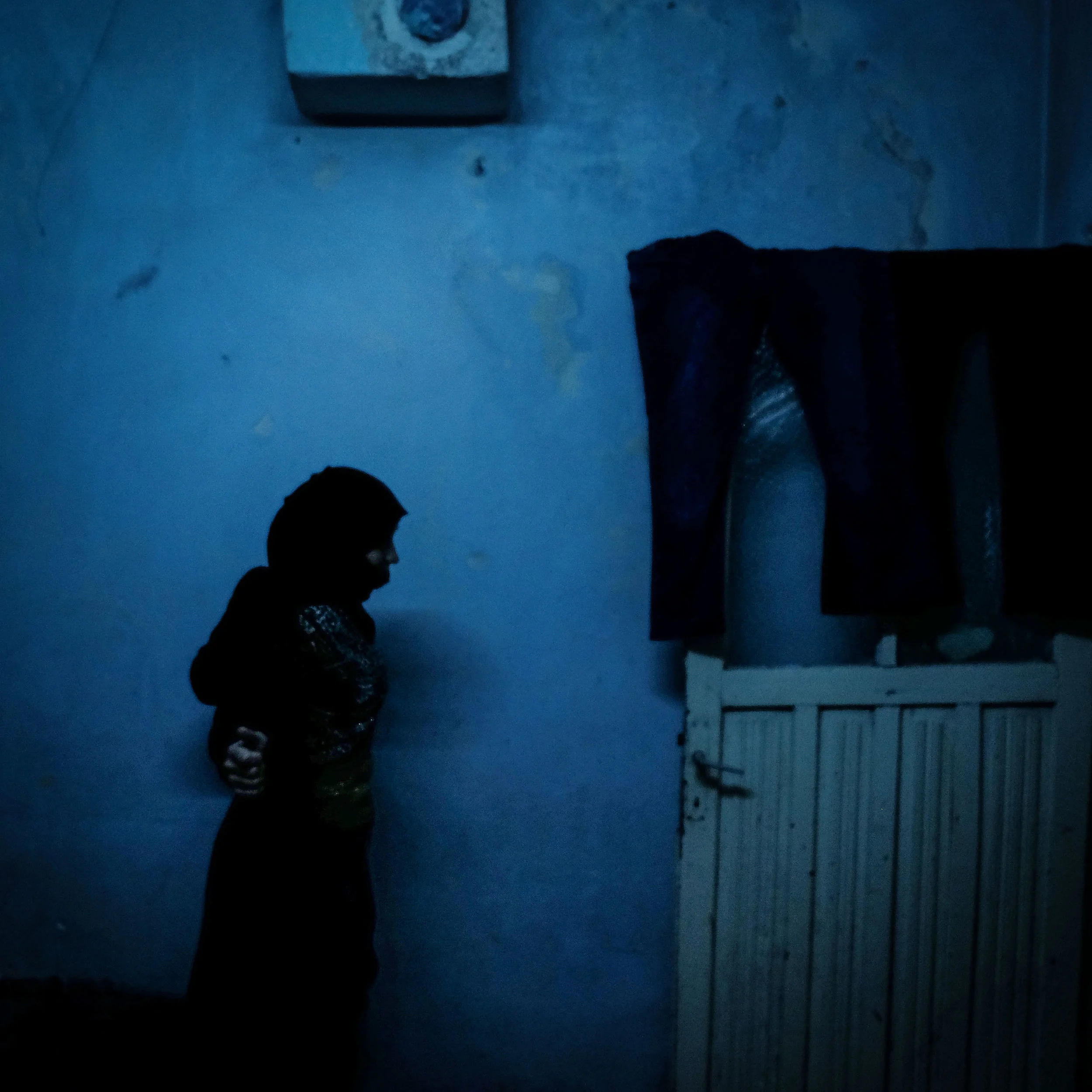
In Gaziantep, a sprawling city just 30 miles from the Syrian border, large numbers of teenage girls have been married off to wealthy men, while underage, in exchange for large sums of money. Some families relinquish their daughters in exchange for money, or simply want one less mouth to feed. Others believe that marrying off their daughters will protect them. The harsh reality is that they are often making them more vulnerable.
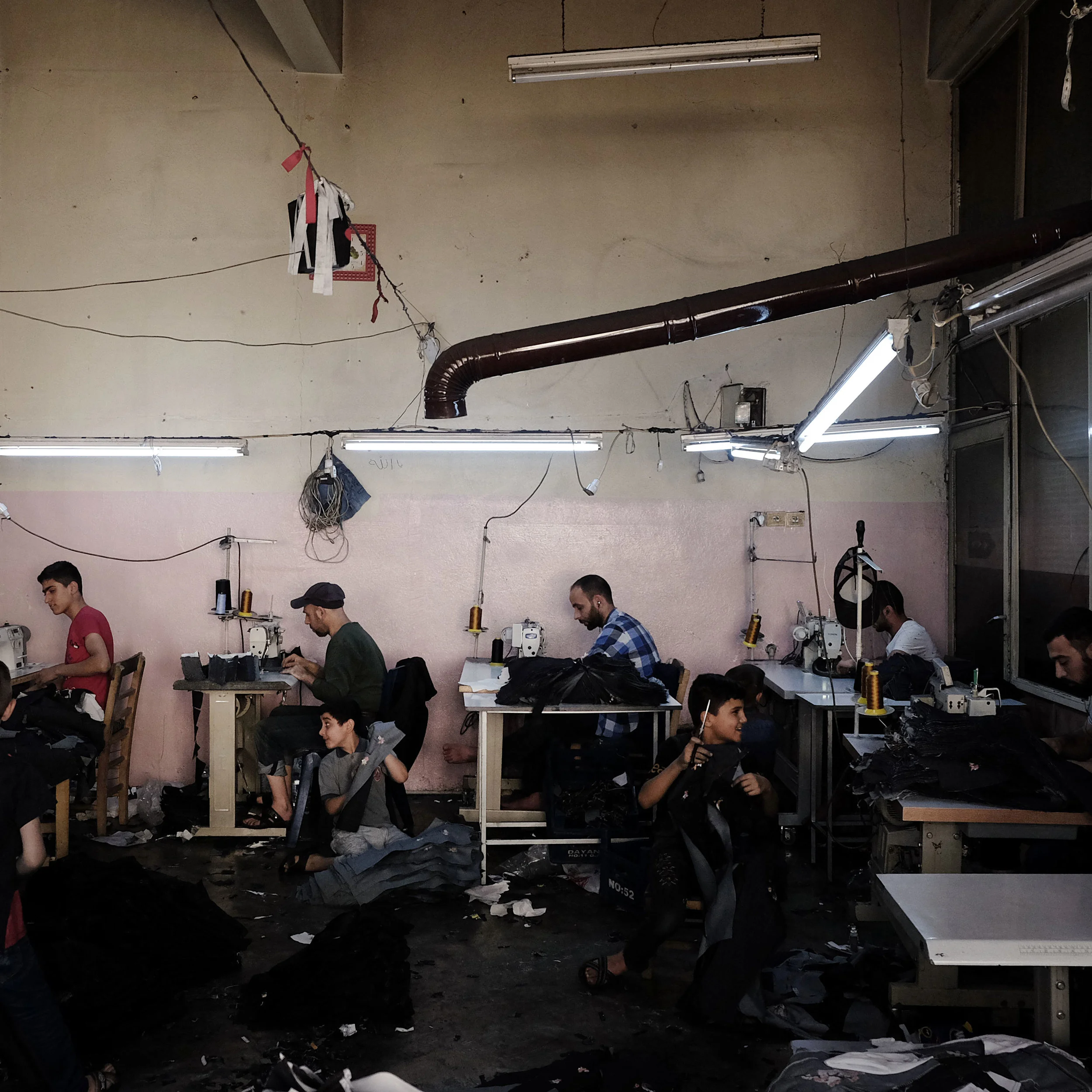
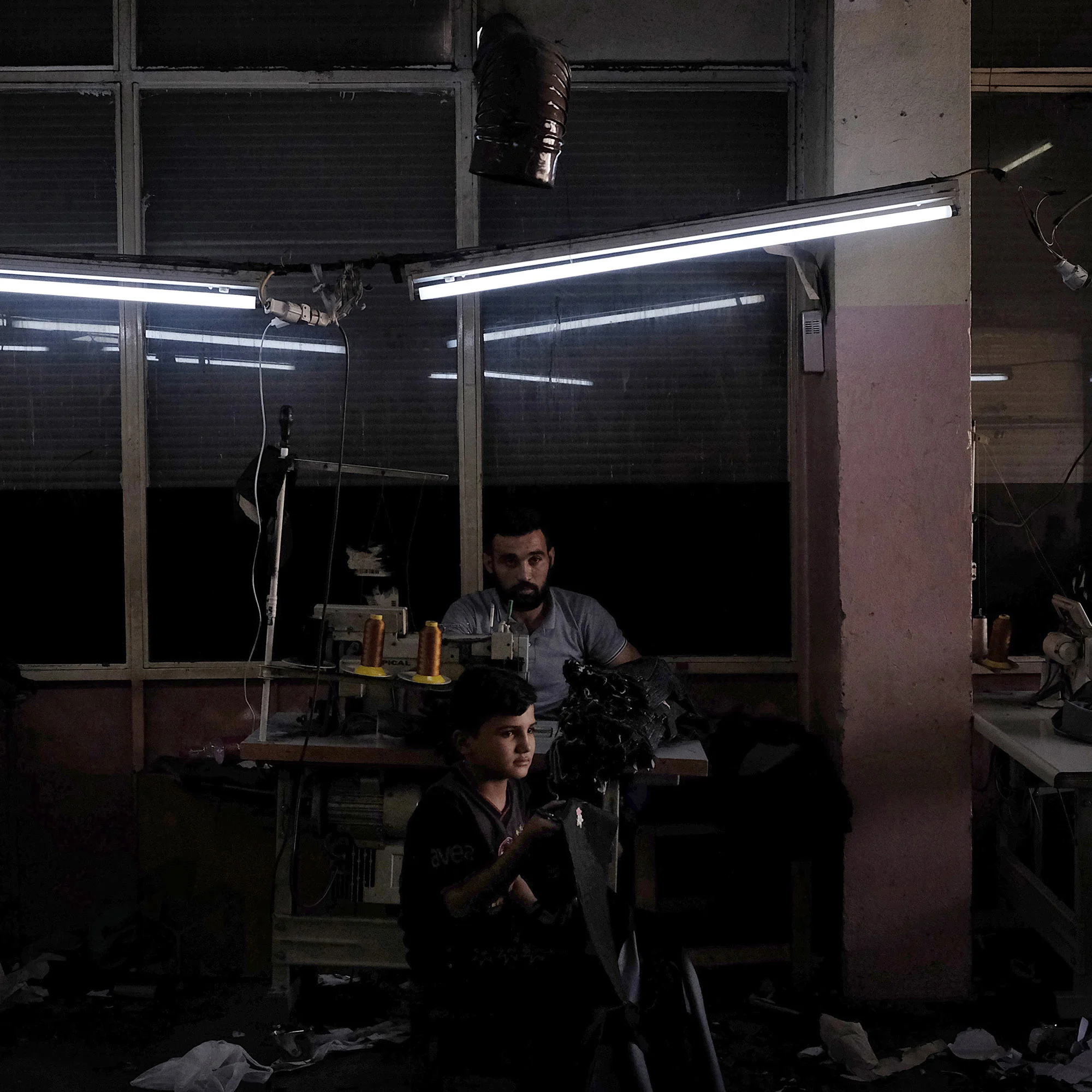
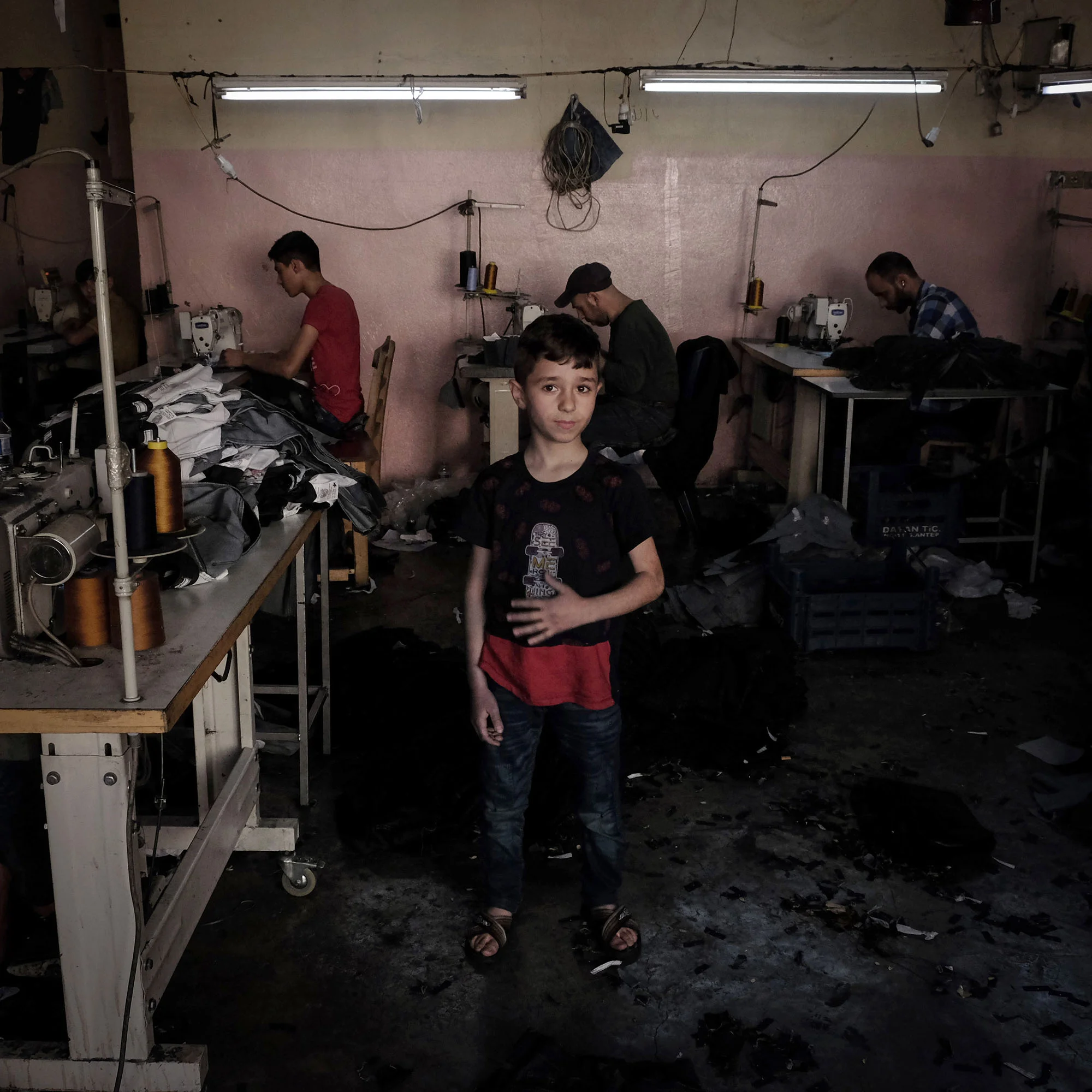
Many parents feel they have no choice but to send their young children to work. In some cases, young people are supplementing the income of the adults in the family. In others, they are the only ones who can find work as unscrupulous employers seek to take advantage of cheap labour.
Although they are safe from gunfights, barrel bombs and shelling, many refugees continue to battle with the devastating consequences of poverty and hardship.
This work was carried out with journalist Laura Pitel in Gaziantep on a fellowship from the International Reporting Project